Essentials
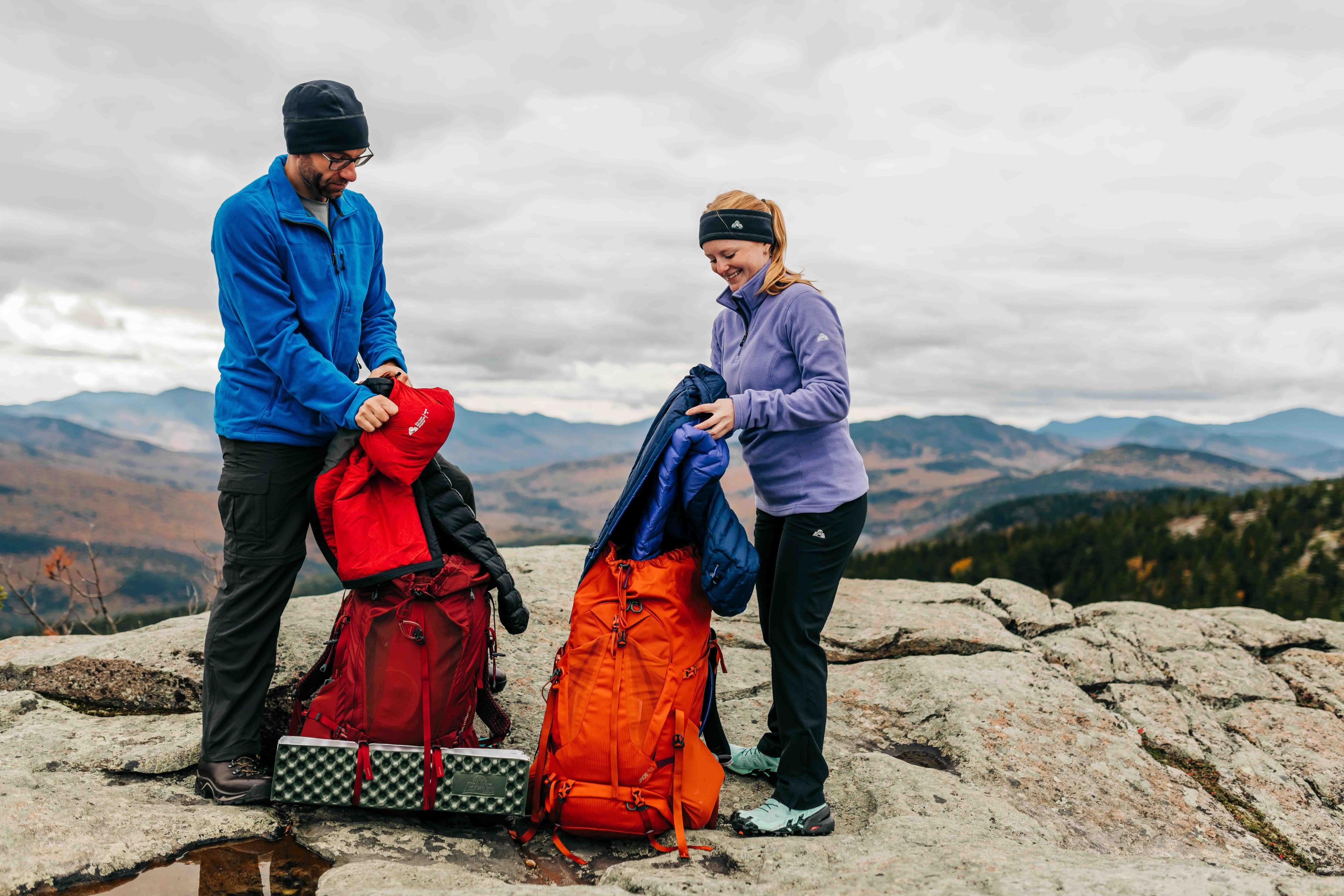
These are must-have items to ensure your safety while out in the mountains. It's important to remember that hikers not only take these items with them, but know how to use them as well—knowledge is power on the trail, so come armed with the tools and know-how to keep yourself safe every time you go out.
Pocket Knife
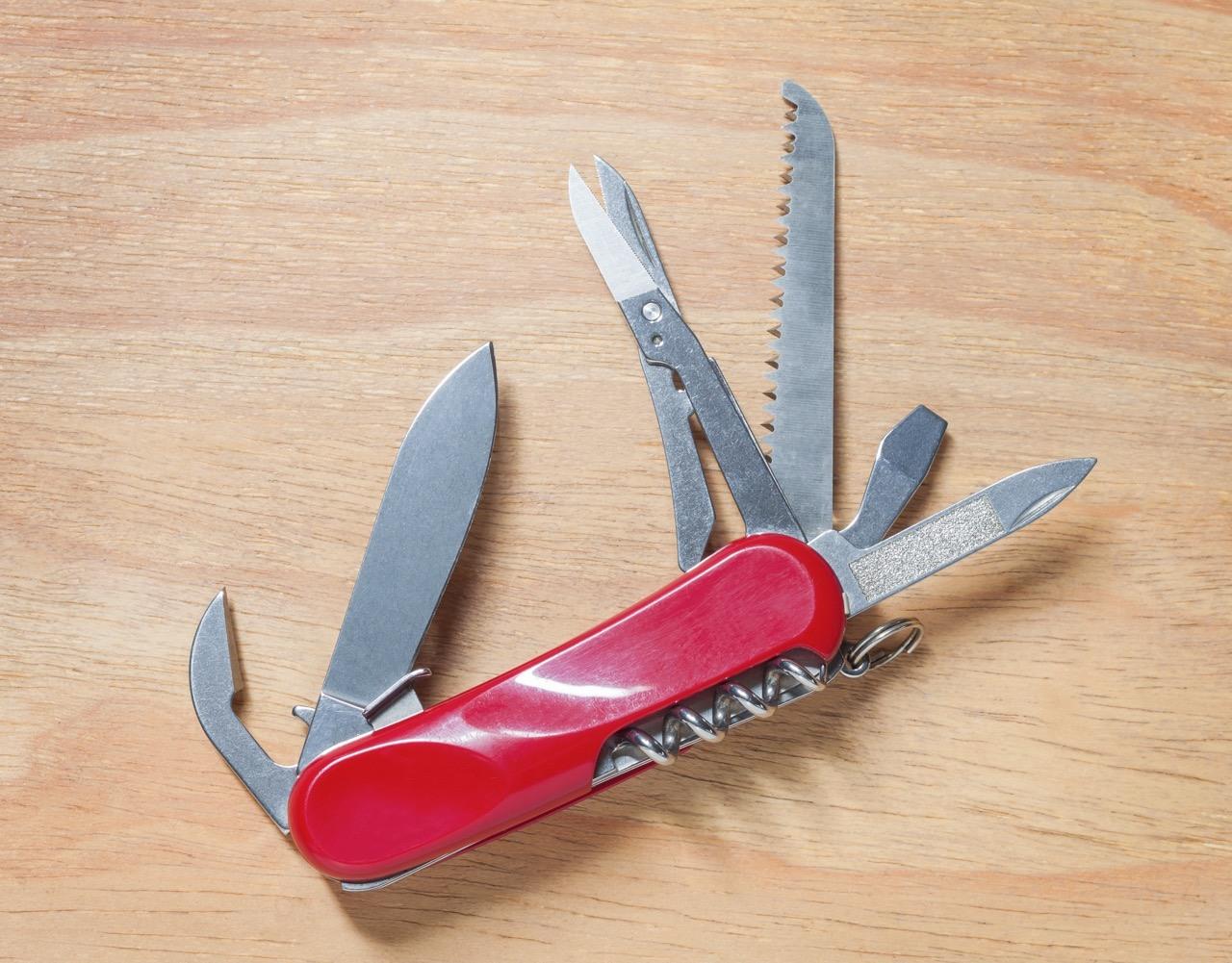
Whether cooking, preparing fires, or working with cord, a pocket knife is a must-have.
Rain Jacket & Pants
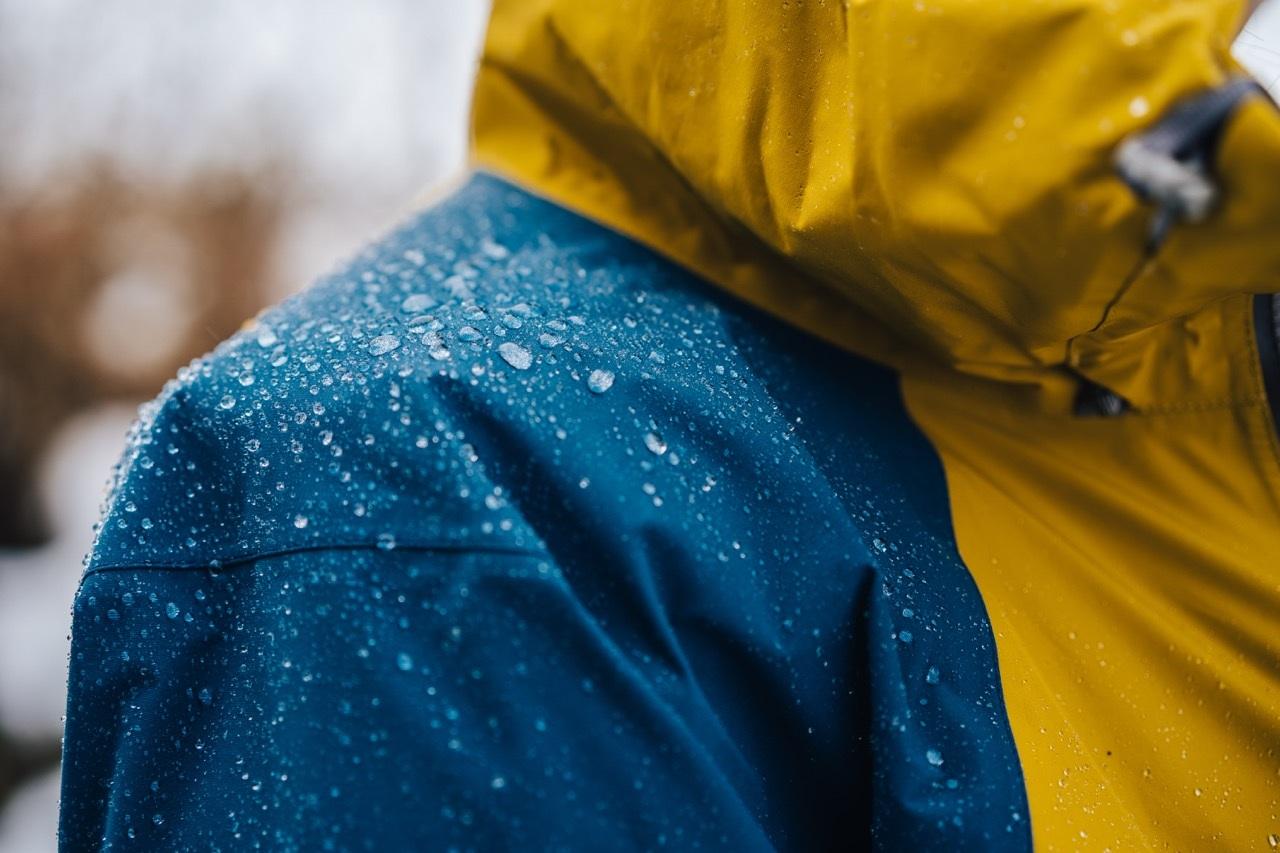
Rain gear is helpful for lighter/shorter rainstorms but won’t keep you dry in a sustained rain. However, wearing a rain jacket and pants can help you stay warm if you keep moving vigorously so that you generate body heat.
Sometimes, the best-prepared hikers are caught in bad weather. If you get caught, you must know how to act. You should:
- Know an escape route in case fast-moving storms catch you off-guard.
- During electrical storms, get off of exposed ridges and get below treeline.
- Spread your group out and keep track of each other so if one person is hit, others can help.
- If you don't have time to use your escape route, squat down to reduce your height and minimize your contact with the earth.
- Take off your pack if it has a metal frame. If you have a foam pad, put it under you.
- Use careful footing, because rainy trails are extremely slippery and dangerous.
- If you ford a stream, keep your boots on to give better footing and to prevent your feet from going numb from the cold water. Unbuckle your backpack’s waist belt so it doesn’t constrict you.
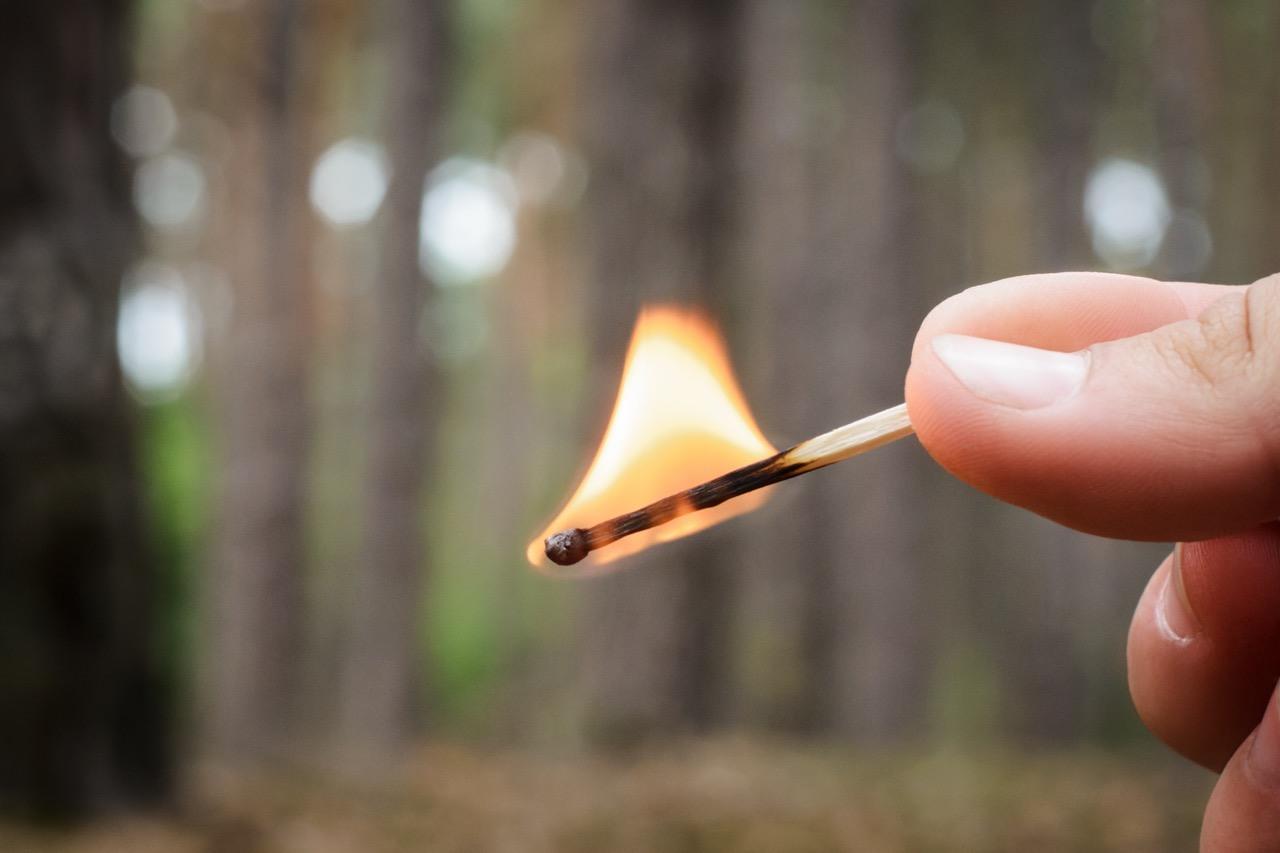
Fire starter
Remember to not have open fires above treeline, to respect wildlife and vegetation.
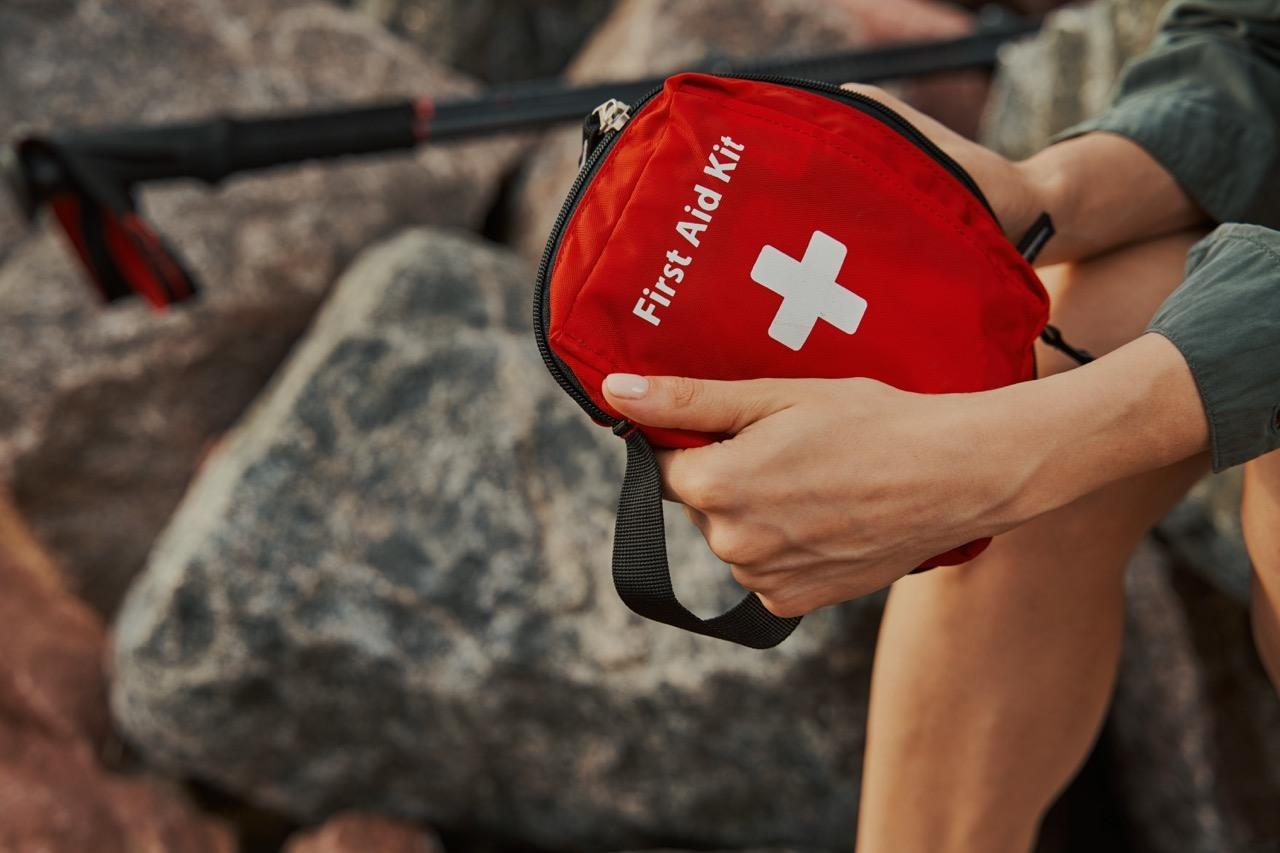
First Aid Kit
Injuries and Afflictions
Accidents happen to even the most experienced and best prepared hikers. That's why it's important that you know the terrain, know how to stay warm and dry, know first aid and know how to rescue yourself if you're injured or become sick on the trail. Most of all, you should never hike alone.
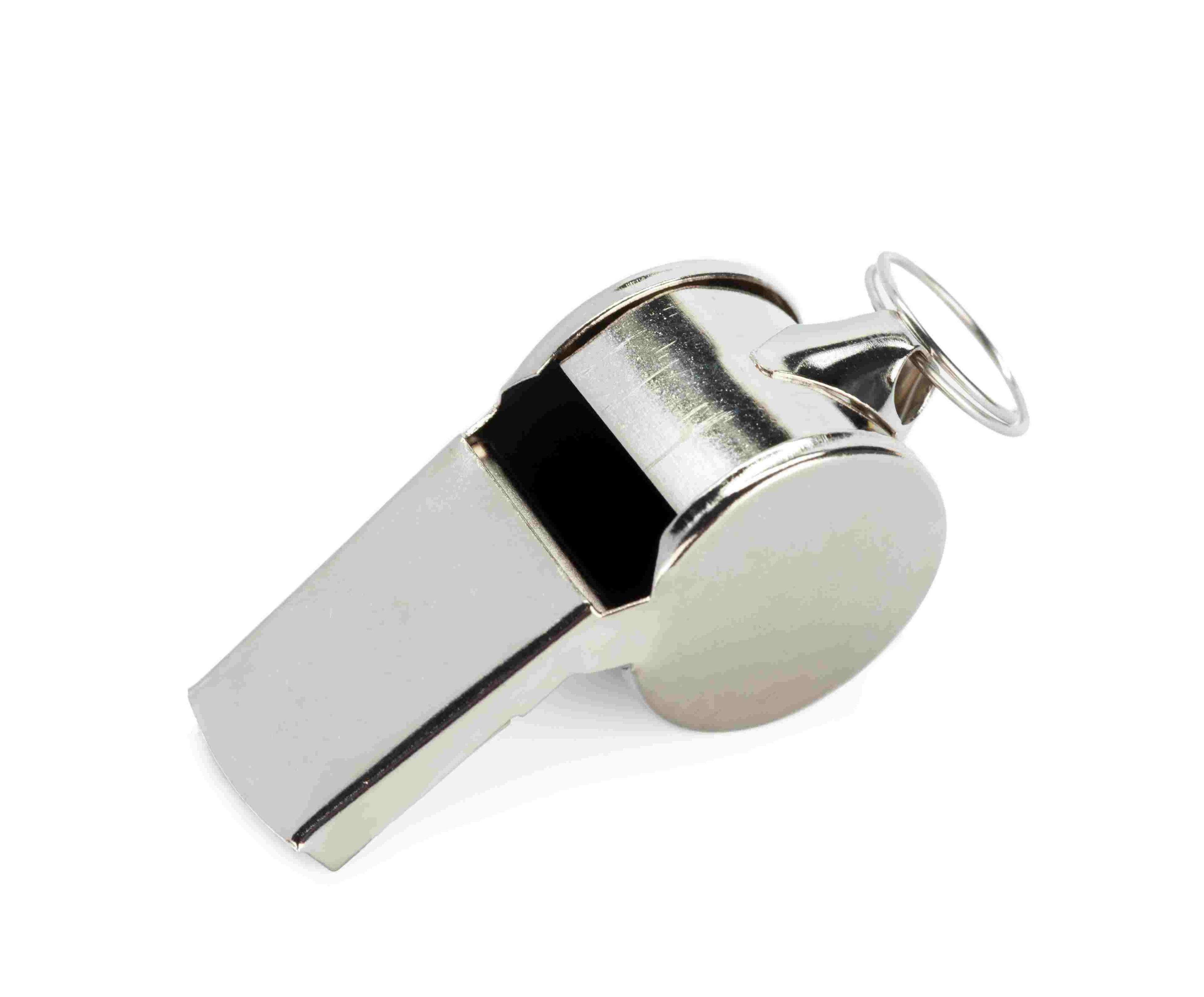
Whistle
For Emergencies
If you can’t rescue yourself, you should:
- Not wander far from your original route; remember, this is where rescuers will start looking for you if your friends or family tell them your planned route.
- Blow your whistle loudly at regular intervals to attract attention.
- Stay warm and protect yourself from the elements. Don’t lie down on the bare ground. If possible, stay near an open space; move into it to be visible from the air and ground.
- Remain hydrated.
- Put on something brightly colored to attract attention.
Groups: hikeSafe whistles are available for purchase for $2 each plus shipping. For more information, email info@hikesafe.com
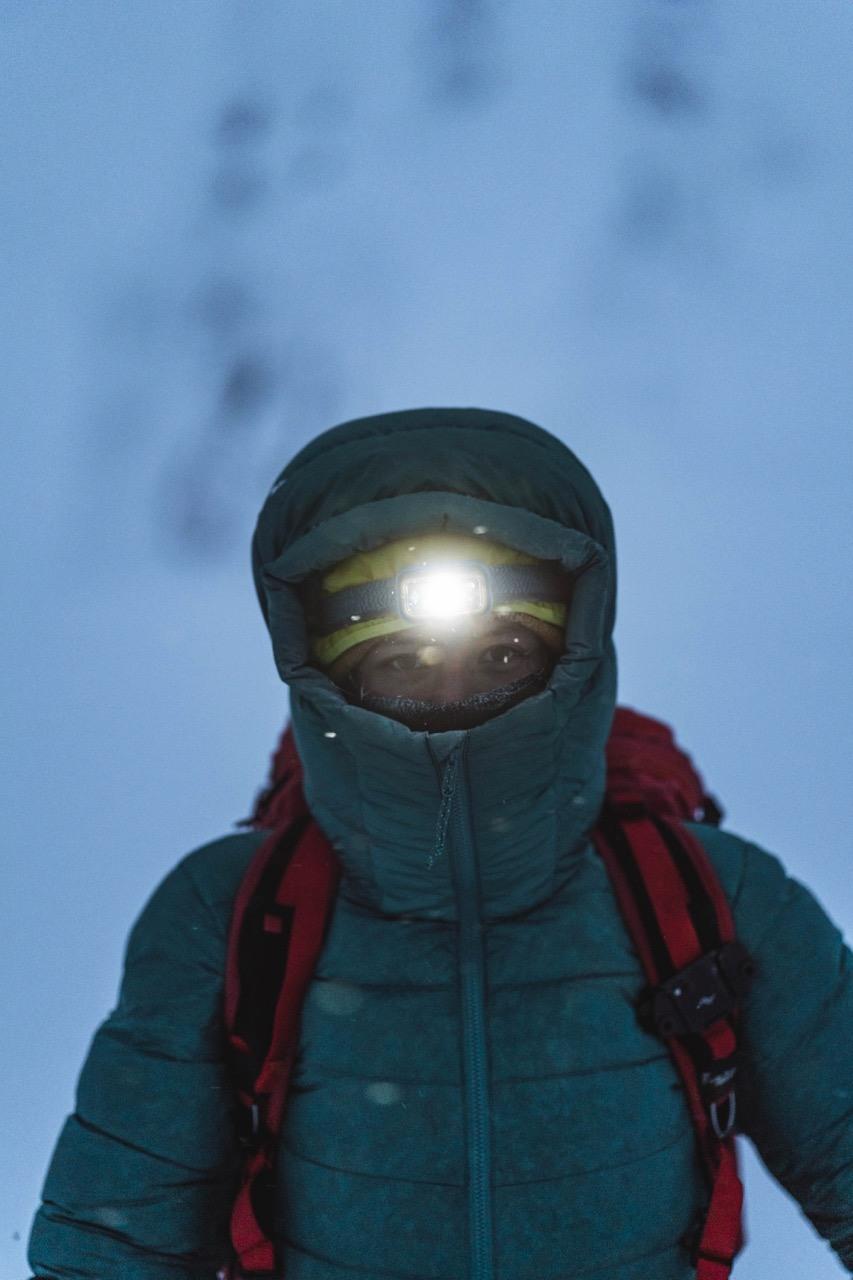
Headlamp or Flashlight
Darkness can come quicker than expected, so you should always pack a headlamp to help you safely navigate the trail. If you have to spend a night in the woods a light can help you find shelter.
Water & Food
Staying Fueled
Hiking can suppress your appetite, but plan to feed yourself anyway as calories play an important role in regulating body temperature. Snack throughout your hike on nutrient-dense snacks like fresh or dried fruit, trail mix, nuts and seeds, cheese, peanut butter, and beef jerky.
Staying Hydrated
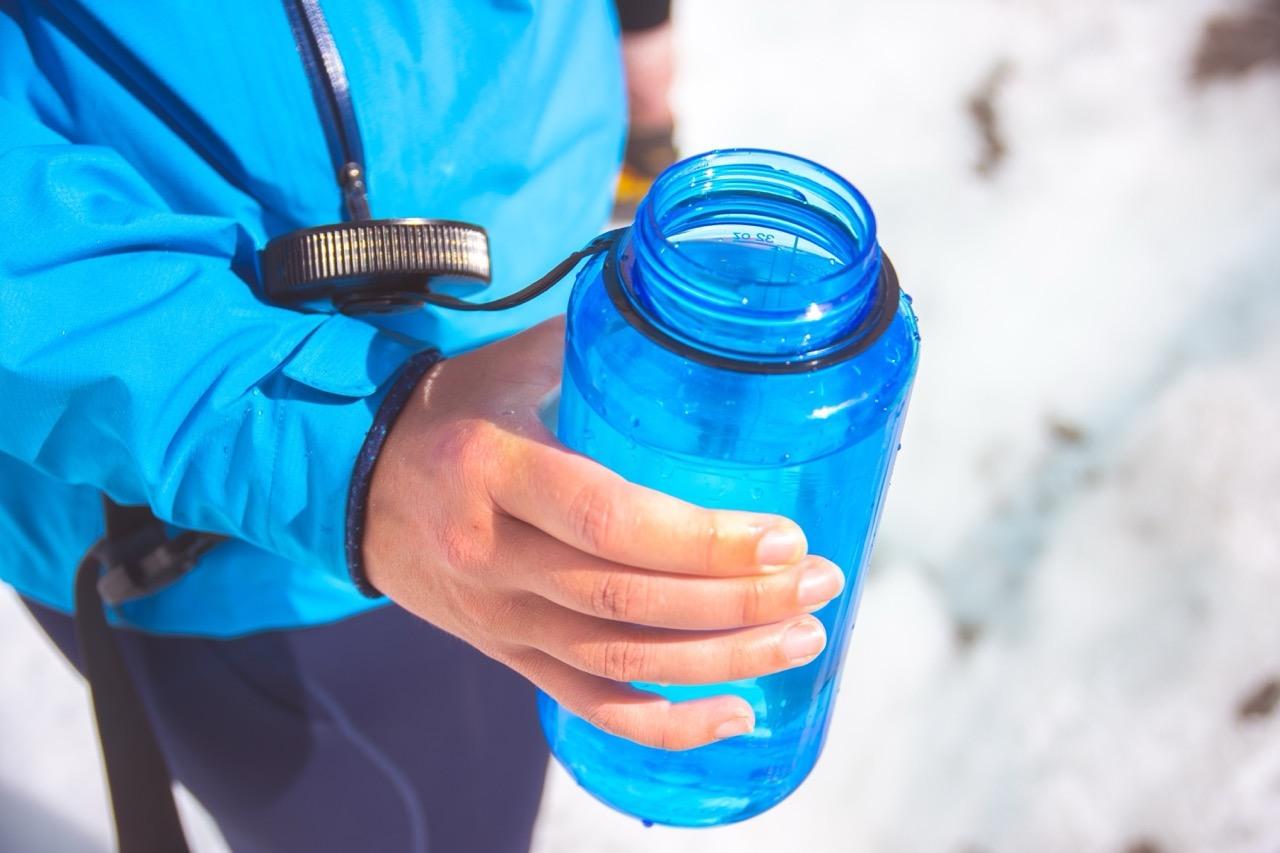
Making sure that you bring enough water with you is often the difference between a safe trip and a dangerous situation. You must have it on hand, and drink plenty of water.
The essentials about water:
- When deciding how much to bring, a general rule of thumb is to pack more water than you think you need. It is always better to have too much rather than too little.
- For multi-day trips, be aware of where water is located and pack accordingly.
- It is NEVER safe to assume any natural water source on the trail is safe to drink as giardia and a host of other debilitating hike-ending bacteria are prevalent.
- Make sure you carry a water filter, iodine purification tablets or a stove with enough fuel to boil your water before you drink it. Water treatment gear can be found at outdoor equipment stores, as well as ordered online.
- Continue to drink throughout the day. Steady water consumption serves your body better than guzzling a whole bottle at once.
- While you can live for nearly a month without food, you will only last a week without water. The importance of having an adequate amount cannot be stressed enough. A good gauge is that if you're drinking enough water your urine will be clear, not dark.
Warm Clothing
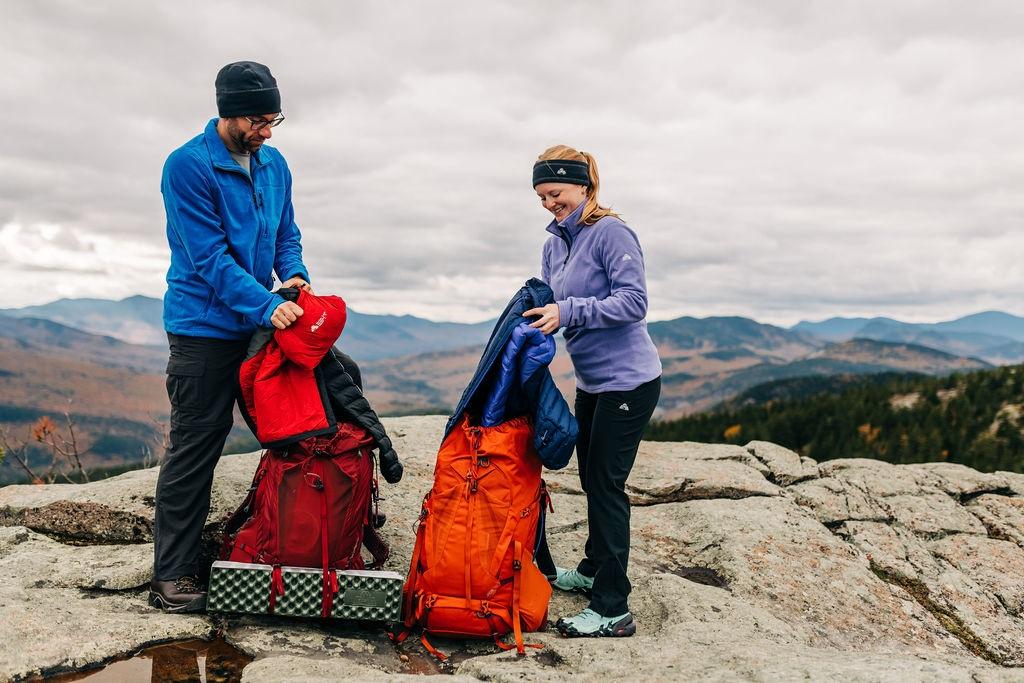
Mountain weather is generally colder and more severe than in the valleys. Often in higher elevations, especially above treeline, rain, snow and fog are possible at any time of the year. Hypothermia can be an issue year-round, especially if you do not have warm, waterproof clothing.
Compass
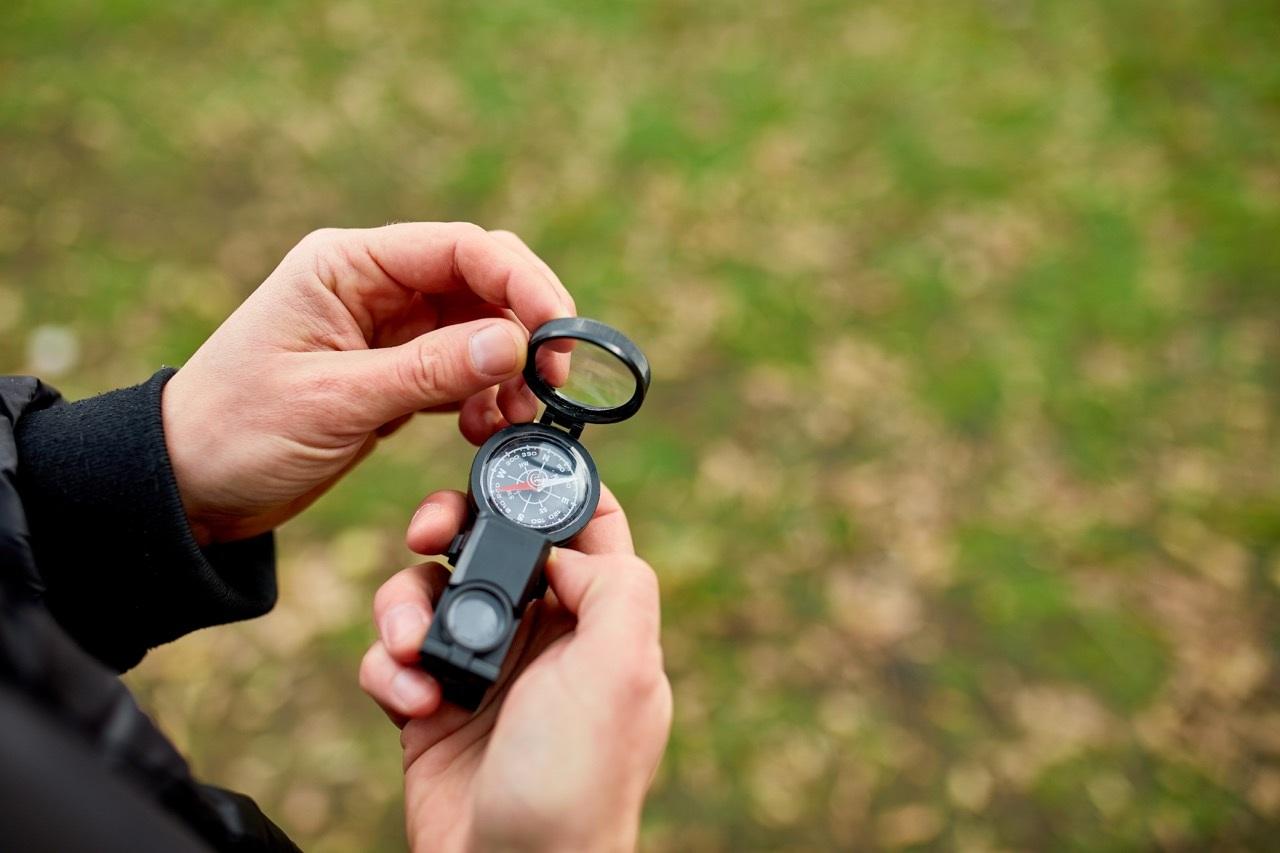
You should always have a compass and map. That way, if you become disoriented, you can stop, refer to your map and try to reorient yourself. Experienced hikers say that most people find their way after studying a map and the surrounding terrain for five minutes, so don't panic if you can't immediately figure out where you are. You may need to be on higher ground in order to identify landmarks such as streams and ridges.
Technology is NEVER a substitute for knowledge, experience, common sense and proper planning.
Map
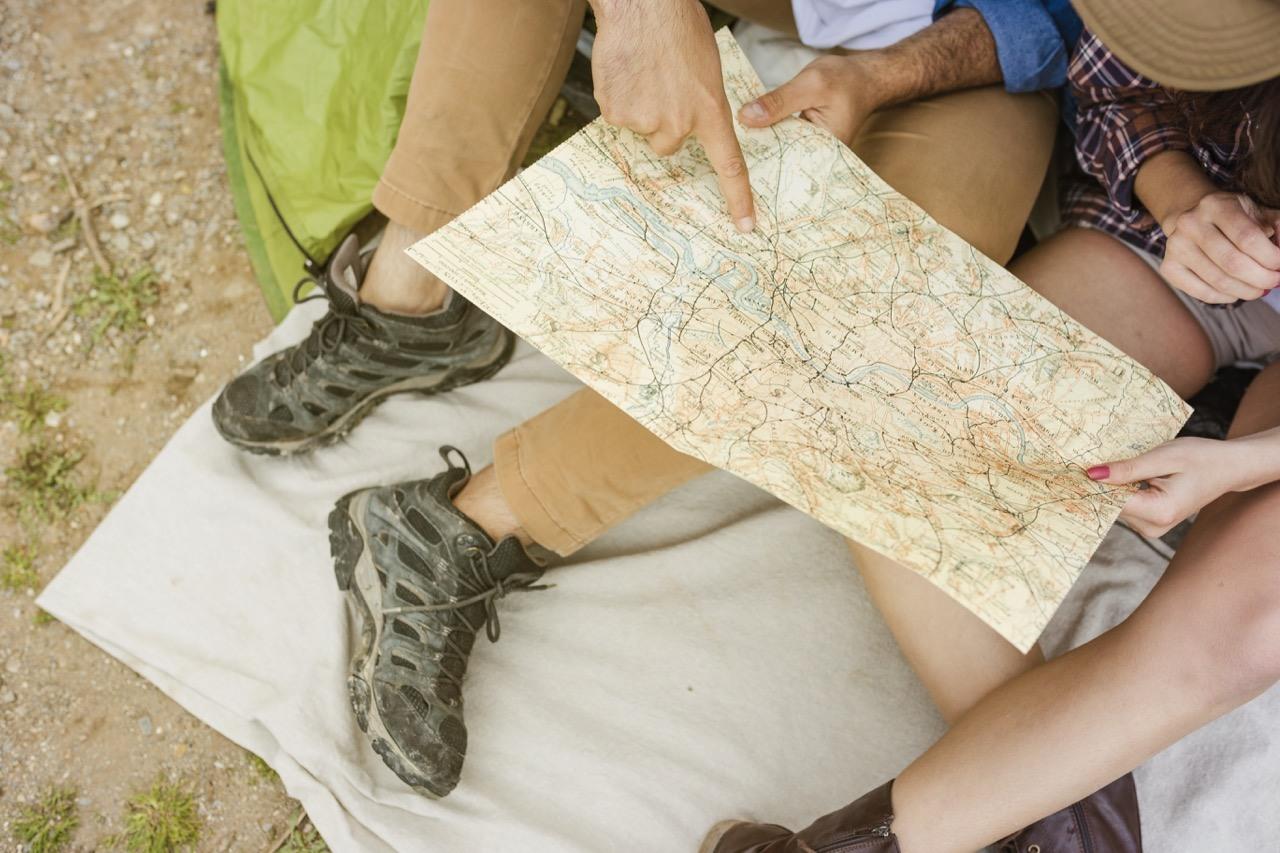
You should always have a compass and map. That way, if you become disoriented, you can stop, refer to your map and try to reorient yourself. Experienced hikers say that most people find their way after studying a map and the surrounding terrain for five minutes, so don't panic if you can't immediately figure out where you are. You may need to be on higher ground in order to identify landmarks such as streams and ridges.
Technology is NEVER a substitute for knowledge, experience, common sense and proper planning.