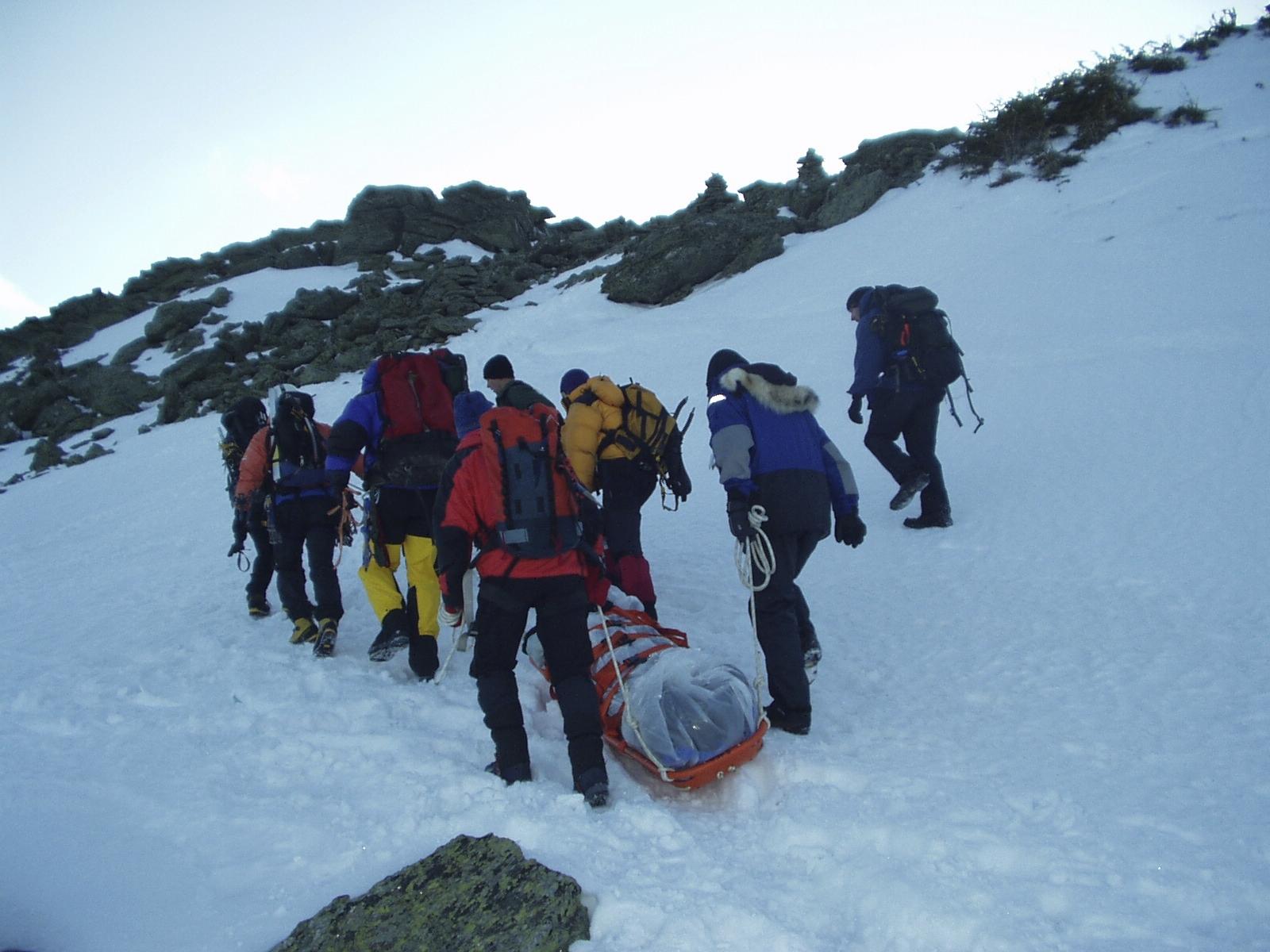
Even if you are headed out for just an hour, an injury, severe weather or a wrong turn could become life threatening. Don’t assume you will be rescued; know how to rescue yourself. Before you set out, remember to leave a plan with someone you trust.

If you do run into trouble, you should know how to rescue yourself by:

  • Taking your map and compass with you. That way, if you become disoriented, you can stop, refer to your map and try to reorient yourself. Experienced hikers say that most people find their way after studying a map and the surrounding terrain for five minutes, so don't panic if you can't immediately figure out where you are. You may need to be on higher ground in order to identify landmarks such as streams and ridges.
  • Still lost? S.T.O.P: Stop, Think, Observe and Plan. Decide on a plan and stick to it. If the last known location is within a reasonable distance, try to go back to it. If you can't find any recognizable landmarks by backtracking, stay put.

If you can’t rescue yourself, you should:

  • Not wander far from your original route; remember, this is where rescuers will start looking for you if your friends or family tell them your planned route.
  • Blow your whistle loudly at regular intervals to attract attention.
  • Stay warm and protect yourself from the elements. Don’t lie down on the bare ground. If possible, stay near an open space; move into it to be visible from the air and ground.
  • Remain hydrated.
  • Put on something brightly colored to attract attention.

If calling for assistance, you should:

  • Provide hikers’ name, address, current location and a call back telephone number. You should also include the hikers’ age, gender, size, a description and potential clothing they might be wearing. Provide a full description of their gear and food, their planned itinerary, and their medical information.
  • Explain what happened, when it happened, and where it happened. Also include where the person's vehicle is located, as well as a full description of it (make, model, year, license plate).
  • A description of their last known location's weather, conditions and trail information.